
What Makes Baixiao Steel Roller Important For Material Processing Control
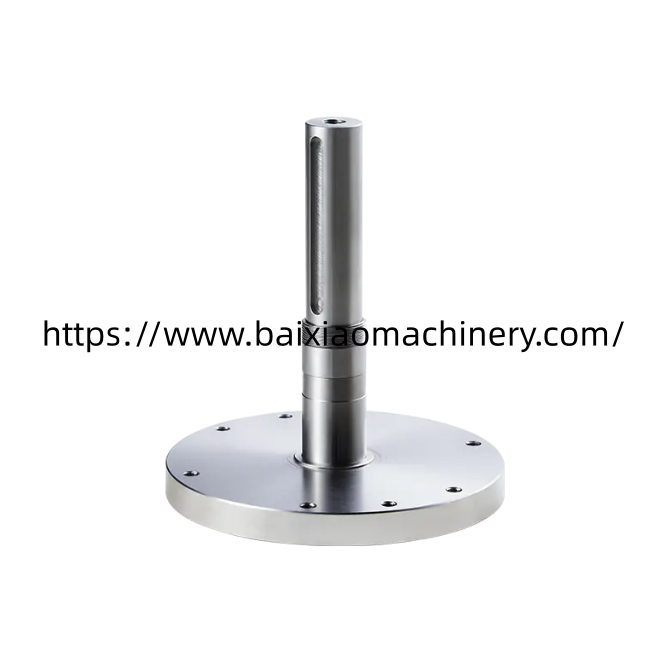
Steel Roller systems are widely used in industrial production lines where consistent material handling is required. In many manufacturing environments such as printing, packaging, film processing, paper converting, and textile production, maintaining stable material flow is essential for achieving reliable operational results. The role of roller components is often central to ensuring smooth and controlled processing conditions.
One of the main functions of this type of equipment is to provide consistent surface contact during material movement. When materials pass through production lines, they must remain stable to avoid tension fluctuations or misalignment. A well-designed roller helps guide materials evenly, reducing irregular movement and supporting smoother transitions between different processing stages.
Balance and precision in structure are also important factors. During high-speed operation, even small inconsistencies in rotation or surface alignment can influence overall production stability. Proper engineering design helps maintain uniform rotation, which supports consistent material handling across long production cycles.
Surface treatment is another key aspect of performance. Depending on application requirements, different surface finishes may be used to improve grip, reduce slippage, or minimize wear on processed materials. These design considerations contribute to maintaining controlled material flow during continuous production.
In addition, durability plays a significant role in long-term operation. Industrial environments often require equipment to operate under extended working hours with minimal interruption. Stable structural design and appropriate material selection help ensure that equipment can maintain performance under demanding conditions.
Baixiao works with industrial customers who require practical solutions for material processing systems. Different production environments have different requirements, including load capacity, operating speed, material type, and environmental conditions. By focusing on manufacturing precision and application needs, Baixiao supports customers in selecting equipment suitable for their production lines.
Another important consideration is system integration. In modern production facilities, multiple machines work together in a coordinated workflow. Equipment compatibility helps ensure that materials move smoothly between different processing stages without unnecessary disruption. This contributes to improved operational consistency and workflow efficiency.
Maintenance requirements also influence equipment selection. Components that are easier to maintain can help reduce downtime and support continuous operation. Regular inspection and proper care contribute to longer service life and more stable performance over time.
As manufacturing industries continue to evolve, demand for reliable material processing solutions is increasing. Production managers are placing greater emphasis on equipment that can support consistent output while adapting to different production requirements. Roller systems remain an important part of this development due to their functional role in guiding and stabilizing materials.
Across various industries, including packaging, printing, textile processing, and flexible material production, stable handling systems are essential for maintaining product consistency. Equipment that supports controlled movement helps reduce production variation and improves operational predictability.
For more information about industrial roller solutions and product options, visit https://www.baixiaomachinery.com/ where Baixiao provides additional details on equipment design and manufacturing support.

 Arabic
 French
 Spanish
 Portuguese
 Deutsch
 Turkish
 Dutch
Dutch
 Italiano
 Russian
 Romaian
 Portuguese (Brazil)
 Greek
Greek