
Can Hair Transplant Help Alopecia Areata Patients?
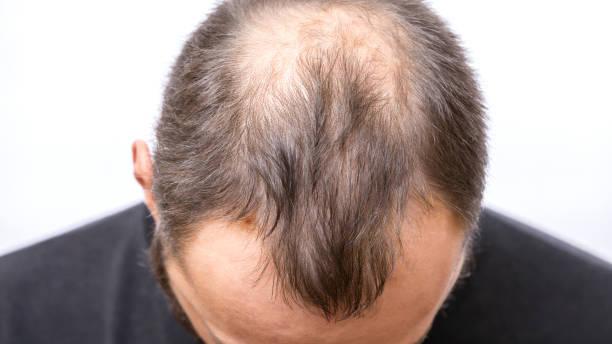
Alopecia areata is an autoimmune condition that causes patchy hair loss when the immune system mistakenly attacks healthy hair follicles. Many patients wonder whether a hair transplant can be a permanent solution for restoring lost hair. The answer is not straightforward, because the success of transplantation depends heavily on disease activity and stability.
In modern dermatology, Alopecia Areata Specialist in Riyadh is carefully planned before considering any surgical option, as controlling the autoimmune activity is the most important step before thinking about hair restoration procedures.
- Brief overview: Autoimmune patchy hair loss condition
- Key question: Suitability of hair transplant
- Main goal: Understand risks and effectiveness
- Importance: Disease stability is crucial
Understanding Hair Transplant in Alopecia Areata
How Hair Transplant Works
A hair transplant involves moving healthy hair follicles from one part of the body (donor area) to bald or thinning areas. These follicles are typically resistant to hair loss in genetic baldness cases, but alopecia areata works differently.
- Follicles are relocated from donor site
- Designed for permanent hair restoration
- Commonly used in genetic hair loss
- Requires stable scalp condition
Why Hair Transplant Is Not First Choice
Autoimmune Nature of the Disease
In alopecia areata, the immune system attacks hair follicles regardless of their location. This means transplanted hair can also be affected if the disease is active.
- Immune system may attack transplanted hair
- High risk of recurrence in active disease
- Unpredictable hair growth pattern
- Not suitable during active flare-ups
This is why Alopecia Areata Treatment in Riyadh usually focuses on medical control before any surgical consideration.
When Hair Transplant May Be Considered
Stable or Long-Term Remission Cases
In some carefully selected patients, hair transplant may be considered if the condition has been inactive for a long time.
- No active hair loss for extended period
- Stable donor and recipient areas
- No recent flare-ups
- Confirmed medical clearance
Even in these cases, results are not always guaranteed.
Risks of Hair Transplant in Alopecia Areata
Possible Complications
Hair transplant in patients with alopecia areata carries several risks due to the unpredictable nature of the disease.
- Reactivation of autoimmune response
- Loss of transplanted grafts
- Patchy or uneven regrowth
- Need for repeated procedures
Because of these risks, most dermatologists proceed cautiously when planning Alopecia Areata Treatment in Riyadh.
Better Alternatives to Hair Transplant
Medical Treatment First Approach
Before considering surgery, doctors usually recommend non-surgical treatments that control the immune system and encourage natural regrowth.
Common treatments include:
- Steroid injections
- PRP therapy
- Topical corticosteroids
- Minoxidil solutions
- Immunomodulatory medications
- Safer for active disease
- Helps restore natural hair
- Reduces inflammation
- Improves follicle recovery
Role of PRP and Regenerative Therapy
Non-Surgical Options
PRP therapy and other regenerative treatments are often preferred over hair transplant in alopecia areata patients.
- Stimulates natural hair follicles
- Uses patient’s own growth factors
- Reduces inflammation
- Supports regrowth without surgery
These are commonly included in Alopecia Areata Treatment in Riyadh plans for better long-term results.
Importance of Disease Control Before Surgery
Stability Is the Key Factor
Doctors usually require complete disease remission before even evaluating a patient for hair transplant.
- No active patches for months or years
- Stable immune response
- No new hair loss areas
- Positive response to medical treatment
Without stability, transplant success is highly unlikely.
Psychological Considerations
Managing Expectations
Many patients hope for a permanent surgical solution, but alopecia areata requires realistic expectations.
- Hair loss may return unpredictably
- Multiple treatments may be needed
- Medical control comes first
- Emotional support is important
Conclusion
Hair transplant is generally not the first-line or most reliable option for alopecia areata because of its autoimmune nature. While it may be considered in rare, stable cases, the risk of recurrence remains significant. The most effective approach is to first control the condition using medical and regenerative treatments.
Modern Alopecia Areata Treatment in Riyadh prioritizes immune system control, follicle stimulation, and long-term stabilization before considering any surgical hair restoration procedures.
- Hair transplant is not ideal in active cases
- Disease control is essential first step
- Medical treatments are more effective initially
- Careful evaluation is required
Book an Appointment
If you are experiencing patchy hair loss and are unsure about treatment options, early consultation is important. At Royal Clinic Saudia, specialists provide advanced evaluation and personalized treatment plans to determine the most suitable approach for alopecia areata, focusing on safe and effective long-term hair restoration.

 English
 French
 Spanish
 Portuguese
 Deutsch
 Turkish
 Dutch
Dutch
 Italiano
 Russian
 Romaian
 Portuguese (Brazil)
 Greek
Greek