
How Much Does a CT Angiogram Cost for Heart Disease Screening?
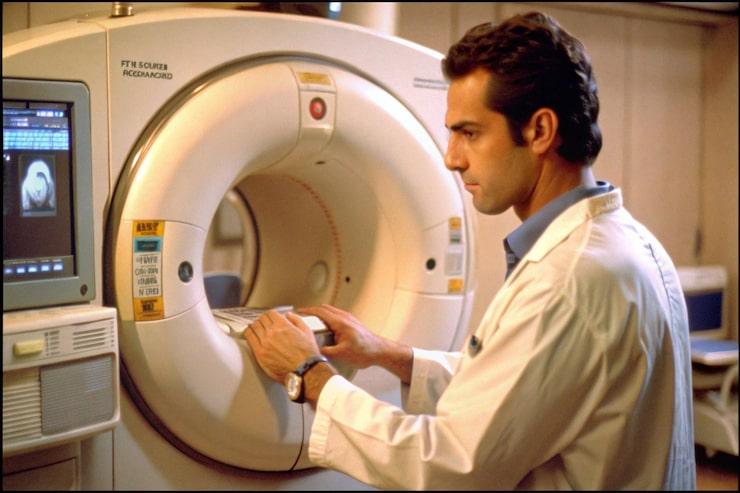
Heart disease remains one of the leading causes of death around the world, yet many people have no symptoms until significant artery blockage has already developed. Advances in cardiac imaging have made it possible to identify signs of coronary artery disease much earlier. As more people explore preventive screening options, questions about how much does a CT angiogram costs often come up alongside concerns about accuracy, value, and overall heart health.
A CT angiogram is a specialized imaging test that provides detailed pictures of the coronary arteries. It helps physicians identify plaque buildup, narrowed arteries, and other signs of cardiovascular disease before major complications occur. Understanding the factors that influence pricing can help people make informed decisions about their heart health.
What Exactly Is a CT Angiogram?
A CT angiogram (CCTA) uses computed tomography technology and contrast dye to create highly detailed images of blood vessels. When used to evaluate the heart, the test focuses on the coronary arteries that supply oxygen-rich blood to the heart muscle.
Unlike traditional stress tests, a CT angiogram allows doctors to directly visualize plaque and narrowing within the arteries. This can provide valuable information about cardiovascular risk even before symptoms become severe.
Many preventive cardiologists use this imaging method to gain a clearer understanding of a patient's cardiovascular status.
Why People Consider This Test
Many heart conditions develop gradually over several years. Plaque accumulation often progresses quietly, making early detection challenging.
Several factors may increase the likelihood of hidden coronary artery disease:
-
High cholesterol
-
High blood pressure
-
Diabetes
-
Smoking history
-
Obesity
-
Family history of heart disease
People who have one or more of these risk factors may benefit from additional screening when recommended by their healthcare provider.
Understanding the Price Range
One of the first questions people ask is about the overall CT angiogram cost. The answer varies because healthcare pricing depends on several variables.
In many parts of the United States, the cost can range from several hundred dollars to several thousand dollars. Insurance coverage, facility fees, imaging technology, and physician interpretation all influence the final amount.
Some imaging centers offer self-pay pricing, while others bill through insurance providers. Patients often notice substantial differences between facilities even within the same region.
What Factors Influence Pricing?
Several components contribute to the total cost of the test.
These may include:
-
Imaging center fees
-
Contrast dye administration
-
Radiologist interpretation
-
Cardiologist review
-
Geographic location
-
Insurance benefits
Modern scanners that produce higher-quality images may also carry different pricing structures compared to older technology.
Understanding these elements helps explain why no single price applies to every situation.
Insurance Coverage Can Make a Difference
Insurance plans vary considerably when it comes to advanced cardiac imaging. Some policies provide coverage when the test is medically necessary, while others may require prior approval.
Coverage decisions often depend on a patient's symptoms, medical history, and cardiovascular risk profile. Out-of-pocket expenses may still apply through deductibles, copayments, or coinsurance.
Reviewing insurance details before testing can help avoid unexpected costs later.
The Value Goes Beyond the Price Tag
Cost is important, but value matters as well. A CT angiogram (CCTA) provides information that standard cholesterol tests and blood pressure readings cannot reveal.
Direct visualization of coronary arteries allows healthcare providers to identify plaque deposits and narrowing before a heart attack occurs. This information may support earlier lifestyle changes, medication adjustments, or additional monitoring.
Many cardiologists view advanced imaging as an important tool for selected patients whose risk level remains uncertain after routine testing.
Time Commitment Is Usually Short
Cost is not the only practical concern. People also frequently ask, how long does a CT angiogram take before deciding to move forward.
The actual scan itself is often completed within a matter of minutes. Preparation may take longer because patients need intravenous access, heart rate monitoring, and instructions before imaging begins.
Most appointments are completed within one to two hours from arrival to departure. The exact timing depends on individual circumstances and facility protocols.
Who May Benefit Most From Screening?
Not every person requires advanced imaging. Healthcare providers typically evaluate overall cardiovascular risk before recommending a CT angiogram (CCTA).
Individuals who may benefit include:
-
Adults with multiple cardiovascular risk factors
-
People with abnormal stress test results
-
Patients experiencing unexplained chest discomfort
-
Individuals with a strong family history of early heart disease
The goal is to obtain useful information that influences medical decision-making and risk reduction strategies.
Technology Has Improved Significantly
Cardiac imaging has changed dramatically over the past decade. Modern CT scanners provide sharper images while using lower radiation doses than older systems.
Professional organizations such as the American Heart Association and the American College of Cardiology continue to support the use of coronary CT angiography (CCTA) in appropriate clinical situations.
Improved technology has helped increase confidence in the test's ability to identify significant coronary artery disease.
Comparing Cost to Potential Outcomes
Many healthcare decisions involve balancing short-term expenses against long-term benefits. Early identification of coronary artery disease may allow intervention before symptoms worsen or major cardiovascular events occur.
While no test can eliminate risk completely, advanced imaging can provide information that influences treatment plans and lifestyle decisions. This added insight often becomes part of the discussion when evaluating overall CT angiogram cost.
Healthcare providers consider imaging results alongside cholesterol levels, blood pressure, family history, and other risk factors to create a broader picture of cardiovascular health.
Know What You're Investing In
Heart disease screening is not simply about finding problems. It is about gaining a clearer understanding of cardiovascular risk before serious events occur. How long does a CT angiogram take are important practical consideration, but the larger focus should remain on the value of the information obtained.
For individuals facing uncertainty about their heart health, understanding the role of a CT angiogram (CCTA) can help support more informed decisions about long-term cardiovascular wellness.

 English
 Arabic
 French
 Spanish
 Portuguese
 Deutsch
 Turkish
 Dutch
Dutch
 Italiano
 Russian
 Portuguese (Brazil)
 Greek
Greek