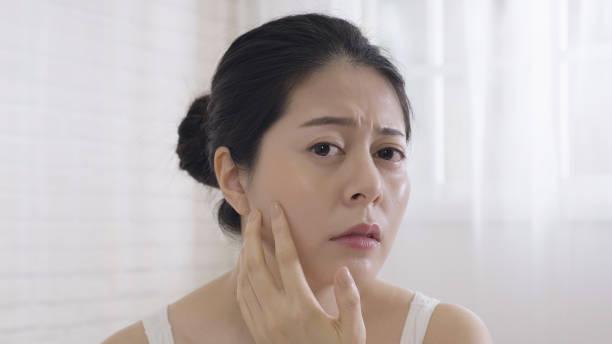
Sensitive skin reacts more easily to external factors such as sun exposure, skincare products, pollution, and environmental changes. When pigmentation develops on sensitive skin, it often appears as dark spots, redness, uneven tone, or post-inflammatory marks after acne or irritation.
Treating pigmentation in sensitive skin requires extra care because harsh treatments can worsen irritation and trigger more discoloration. A gentle and well-planned approach is essential for achieving clear and balanced skin safely. In modern dermatology, skin pigmentation treatment is commonly customized for sensitive skin types to ensure effective yet safe results.
Why Sensitive Skin Develops Pigmentation Easily
Sensitive skin has a weaker skin barrier, which makes it more prone to inflammation. When the skin becomes irritated, it produces excess melanin as a protective response, leading to pigmentation.
Common triggers include harsh skincare products, sun exposure, allergies, acne, and even frequent exfoliation. Because the skin reacts quickly, pigmentation can develop faster and may take longer to heal.
Key Points
- Weak skin barrier increases sensitivity
- Inflammation triggers melanin production
- Harsh products worsen pigmentation
- Sun exposure is a major factor
Challenges in Treating Sensitive Skin Pigmentation
Treating pigmentation on sensitive skin is more complex because strong treatments can cause redness, dryness, or further irritation. Many active ingredients used for pigmentation may not be suitable in high concentrations.
This is why dermatologists usually recommend a gradual approach with gentle ingredients and carefully controlled procedures.
Key Points
- Skin reacts easily to strong treatments
- Risk of irritation is higher
- Requires slow and careful approach
- Professional guidance is important
Safe Skincare Ingredients for Sensitive Skin
Sensitive skin benefits from mild yet effective ingredients that reduce pigmentation without causing irritation. Niacinamide is one of the best options as it helps control melanin and strengthens the skin barrier.
Vitamin C in gentle formulations can help brighten skin, while hyaluronic acid keeps the skin hydrated and supports healing. Azelaic acid is also commonly used for reducing dark spots safely.
Key Points
- Niacinamide reduces pigmentation gently
- Vitamin C improves brightness
- Hyaluronic acid supports hydration
- Azelaic acid is skin-friendly
Gentle Treatment Options for Sensitive Skin
For sensitive skin, dermatologists often recommend low-intensity treatments. Mild chemical peels with gentle acids can help remove dead skin without causing irritation. Laser treatments with controlled settings can also target pigmentation safely when performed carefully.
Microneedling at low intensity may improve skin texture and pigmentation over time without harsh effects.
In advanced dermatology care, Pigmentation Treatment in Riyadh is often tailored specifically for sensitive skin to ensure safety and effectiveness.
Key Points
- Mild chemical peels are safer
- Controlled laser settings are used
- Low-intensity microneedling helps
- Treatments must be customized
Importance of Sun Protection for Sensitive Skin
Sun protection is extremely important for sensitive skin because UV rays can easily trigger inflammation and worsen pigmentation. Daily use of sunscreen helps prevent new dark spots and protects existing treatment results.
Wearing protective clothing and avoiding direct sunlight also helps reduce skin irritation and pigmentation risk.
Key Points
- Sunscreen prevents pigmentation worsening
- UV rays trigger irritation easily
- Protective clothing is helpful
- Sun avoidance supports healing
Skincare Routine for Sensitive Pigmented Skin
A simple and gentle skincare routine is best for sensitive skin. Mild cleansers help remove impurities without damaging the skin barrier. Lightweight moisturizers keep the skin hydrated and reduce irritation.
Avoiding harsh scrubs, alcohol-based products, and strong acids is essential to prevent flare-ups and worsening pigmentation.
Key Points
- Use mild cleansers only
- Keep skin well hydrated
- Avoid harsh ingredients
- Maintain simple routine
How Long Does Treatment Take for Sensitive Skin?
Sensitive skin may take longer to show results because treatments must be done gently and gradually. Improvement is usually visible after a few weeks, but full results may take several months depending on the severity of pigmentation.
Consistency and patience are key, as rushing treatment can lead to irritation and delayed healing.
Key Points
- Results appear gradually
- Mild improvement in weeks
- Full results take months
- Consistency is important
Conclusion
Pigmentation treatment for sensitive skin requires a careful, gentle, and well-planned approach to avoid irritation and achieve safe results. With the right ingredients, controlled treatments, and proper skincare routine, even sensitive skin can achieve a clearer and more even tone over time. Advanced dermatological care such as Pigmentation Treatment in Riyadh offers customized solutions that balance effectiveness with skin safety.
Book Your Appointment Today
If you have sensitive skin and are struggling with pigmentation, professional care can help you achieve safe and effective results. Royal Clinic Saudia provides advanced, customized treatments designed specifically for delicate skin types, helping restore natural glow, even tone, and long-term skin health.
FAQs:
Can sensitive skin safely undergo pigmentation treatment?
Yes, but treatments must be gentle and customized by a dermatologist to avoid irritation.
Which ingredients are best for sensitive skin pigmentation?
Niacinamide, azelaic acid, vitamin C, and hyaluronic acid are commonly recommended.
Are chemical peels safe for sensitive skin?
Yes, but only mild peels under professional supervision are suitable.
How long does it take to see results on sensitive skin?
Results are gradual and may take a few weeks to several months depending on skin response.


 Arabic
 French
 Spanish
 Portuguese
 Deutsch
 Turkish
 Dutch
Dutch
 Italiano
 Russian
 Romaian
 Portuguese (Brazil)
 Greek
Greek