
Can Better Classrooms Reframe The Economic Future Of A Nation?
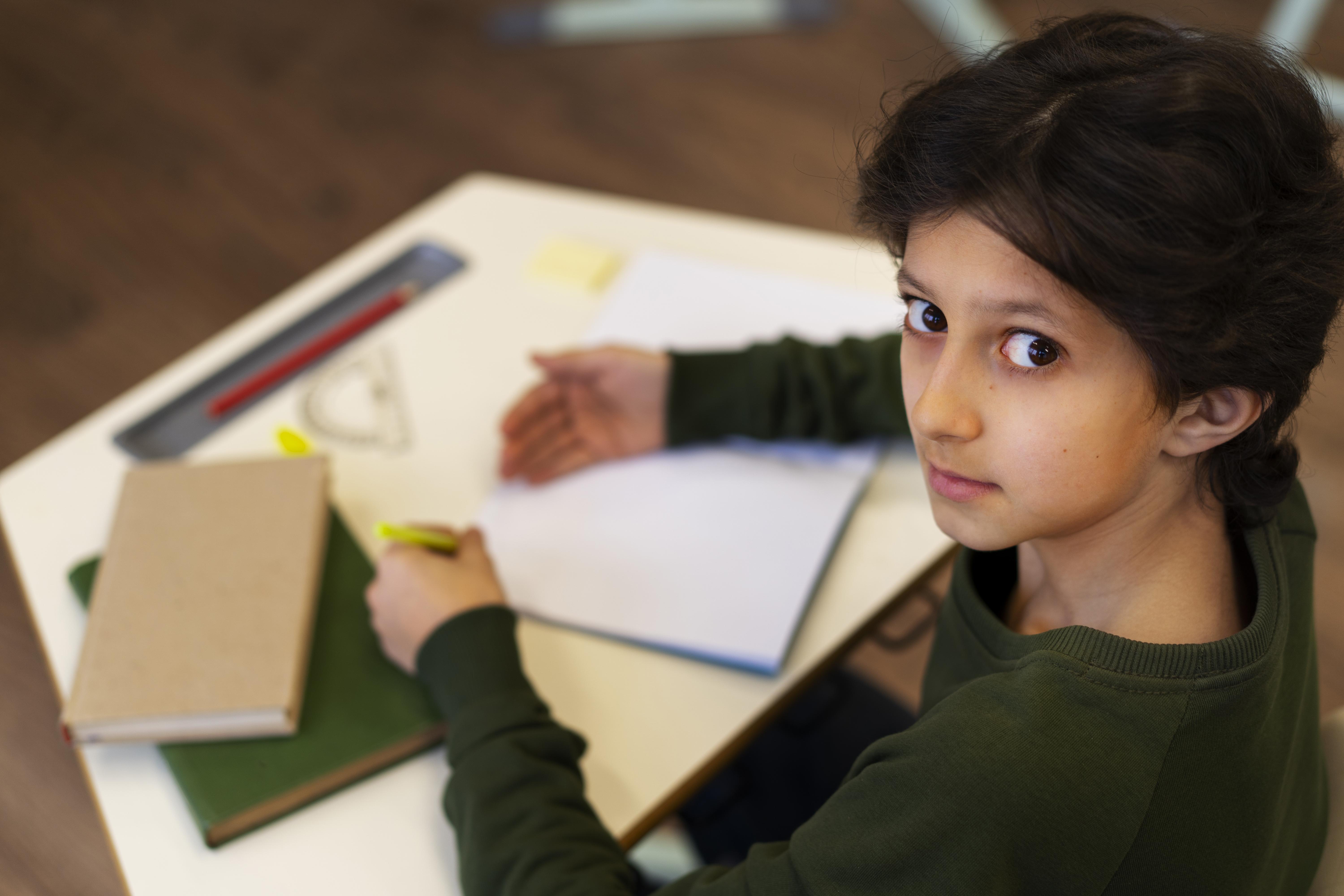
A classroom should be a quiet sanctuary of focus where young minds expand. Unfortunately, for millions of children, this simple environment is completely out of reach. In neighborhoods across developing regions, early morning routines involve manual labor or water gathering instead of studying algebra. Financial stress forces low-income parents to treat basic school supplies as an impossible financial burden. When a household must choose between survival and school tuition, survival wins every single time.
This educational gap doesn't just hold back individual children. It drags down the economic output of entire communities. Yet, a massive global movement is gaining ground as citizens realize that access to standardized learning is a fundamental human right. By redirecting resources directly into marginalized sectors, grassroots networks are proving that no child's geographical background should limit their career potential.
Unpacking The True Scope Of Pakistan Education Facts
To truly understand the depth of this challenge, look at the concrete data emerging in 2026. The latest education facts reveal a complicated reality of sharp regional divides and slow progress. According to recent federal ministry data and national household surveys, the overall literacy rate across the country has risen slightly to 63 percent. While this improvement shows positive movement, it remains one of the lowest averages in South Asia.
The disparities widen significantly when you look closely at specific provinces and rural towns. In wealthy urban hubs like Lahore, school enrollment remains relatively stable. However, the Pakistan education facts show that in rural Balochistan and interior Sindh, the out-of-school numbers are incredibly high. For instance, the rural female literacy rate in certain districts drops down to 44 percent, highlighting the intense gender barriers that still exist.
Furthermore, over 25 million children between the ages of 5 and 16 remain completely out of classrooms nationwide. These children are often pushed into dangerous child labor fields or domestic work just to help their families purchase basic groceries. This deep loss of human talent proves that a massive overhaul is needed to rescue the next generation.
Navigating The Realities Of The Current Education System In Pakistan
The structural setup on the ground faces severe operational pressure from every direction. The current education system is split unevenly into three distinct sectors: public schools, low-cost private campuses, and religious seminaries. Public schools often face major supply-side challenges, with thousands of buildings lacking clean drinking water, protective boundary walls, or functional toilets. When a public school lacks a dedicated female bathroom, teenage girls drop out immediately.
The lopsided spending structure forces the poorest communities to rely heavily on under-regulated private setups or informal learning tracks. Educational researchers point out that learning poverty is incredibly high, with nearly 75 percent of ten-year-old students struggling to read or comprehend a simple two-sentence story in their native language. The current education system in Pakistan simply lacks the developmental funding to retrain teachers in modern digital methods, leaving millions of youth completely unprepared for the high-tech international job market.
How Grassroots Action Bridges The Infrastructure Void
Because public budgets face extreme strain, community-led initiatives have stepped forward to build a sustainable network of care. Private non-profits perform the vital groundwork that state departments cannot manage alone. A phenomenal example of this localized dedication is the work carried out by the Ghazali Education Foundation, which targets the most isolated rural villages in the country. By converting makeshift rooms into standardized spaces and hiring qualified female educators from within the same neighborhoods, they create a safe and trusted environment for conservative families to send their daughters.
This community-focused strategy is precisely what keeps attendance numbers high over long periods. When village elders see their own daughters reading fluently and learning practical math, their initial resistance to schooling completely evaporates.
The Strategic Power Of Global Philanthropic Alliances
Fixing an educational ecosystem of this size requires a massive amount of coordination and long-term capital. This is why international charity organizations for education are so vital to the survival of local schools. These global donor bodies pool financial resources from around the world to build solar-powered computer labs, distribute science equipment, and fund teacher training workshops in rural zones. They understand that a modern economy cannot be built on basic literacy alone; students need technical skills to escape poverty.
Where Global Philanthropic Funds Make The Biggest Difference
-
Solar Integration: Installing independent solar panel arrays so classrooms stay cool and lit during long public power blackouts.
-
Standardized Learning Kits: Distributing uniform packages, sturdy leather shoes, and up-to-date textbooks directly to low-income households.
-
Teacher Mentorship Tracks: Funding intensive weekend workshops to teach rural instructors modern, interactive science and math pedagogy.
-
Sanitation Overhauls: Building clean, private toilet blocks to ensure teenage girls stay enrolled through their secondary school years.
By collaborating with field teams on the ground, international charity organizations for education transform temporary help into permanent community independence. They ensure that every dollar donated goes directly toward structural improvements that remain functional for decades.
The Long-Term Economic Reward Of Literacy
The positive ripple effect of a single classroom seat extends far beyond the individual student. Economic data proves that for every extra year a child remains in secondary school, their future adult wages shoot up by nearly twenty percent. This is a permanent blow to systemic poverty.
|
Level of Completed Schooling |
Impact on Household Health |
Average Earning Trajectory |
|
No Formal Classes |
High vulnerability to preventable diseases |
Limited to low-wage manual labor shifts |
|
Primary School Graduate |
Improved family nutrition awareness |
Moderate financial security within the village |
|
Secondary Degree or Trade |
50% higher child immunization rates |
2x average income and full career independence |
When a young girl receives a high-quality education, she grows up and ensures her own children attend university as well. The cycle of dependency breaks permanently with her generation. Providing access to a desk and a textbook is the single smartest investment a developing society can make toward a peaceful, self-sufficient future.
Frequently Asked Questions
Why do rural female students experience higher school dropout rates than male peers?
Rural girls face a mix of safety risks during long walks to distant schools and a distinct lack of proper sanitation facilities inside public school buildings. Families living in extreme poverty also tend to prioritize their sons' educational fees over their daughters' books due to old cultural expectations.
How do non-profit organizations make sure that their school models remain sustainable over twenty years?
Successful groups achieve this by setting up local school management committees made up of village parents and elders. This ensures the community takes full ownership of the daily campus operations, while independent endowment funds cover long-term building repairs and teacher salaries.
Can individual donors living overseas safely contribute to these local literacy programs?
Yes. Trusted educational non-profits utilize secure international digital payment systems that provide absolute transparency. Overseas donors receive regular field progress reports, school budget updates, and student tracking logs so they can view the direct impact of their support.
What specific steps are being taken to fix the low reading comprehension scores in rural schools?
Field teams are rolling out accelerated learning programs and distributing highly illustrated, simplified storybooks in local languages. They are also utilizing digital tablet training for teachers to help them move away from boring rote memorization toward interactive, concept-based instruction.
How does a solar power setup improve learning outcomes in remote desert villages?
A solar grid ensures that classrooms have constant lighting and functioning fans during intense summer heatwaves. This prevents school closures during public grid blackouts, keeping children comfortable, focused, and present in their seats throughout the academic day.

 English
 Arabic
 Spanish
 Portuguese
 Deutsch
 Turkish
 Dutch
Dutch
 Italiano
 Russian
 Romaian
 Portuguese (Brazil)
 Greek
Greek