
How to Choose the Right OctaneRender Workstation for 3D Work
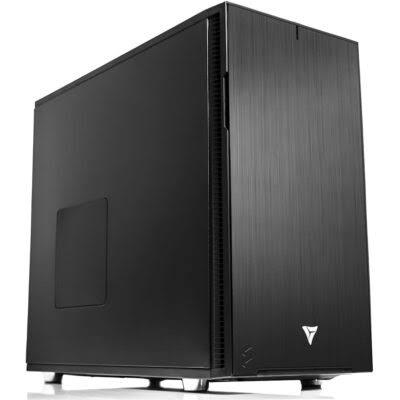
Creating stunning 3D visuals requires more than artistic talent, it also depends on having hardware that can keep up with demanding creative tasks. Whether you're producing detailed architectural scenes, cinematic animations, or product visualizations, your system plays a major role in overall efficiency. The right configuration reduces waiting time, improves workflow stability, and allows you to focus on creativity instead of technical limitations. Understanding what matters most in a workstation can help you make a smarter long-term investment.
Performance Essentials
Selecting an OctaneRender Standard Edition Workstation starts with understanding the workloads you handle every day. Projects with complex materials, massive scenes, and real-time previews demand balanced hardware that delivers consistent performance instead of relying on a single powerful component. Investing wisely at the beginning prevents unnecessary upgrades later.
While processing power is important, every component contributes to the overall experience. Storage speed, available memory, and graphics capability work together to improve rendering efficiency. A balanced system ensures smoother multitasking and minimizes interruptions during lengthy production sessions.
Graphics Matter
The graphics processor remains the heart of any rendering setup because it directly influences rendering speed and viewport responsiveness. Choosing a modern GPU with sufficient VRAM allows artists to work comfortably with detailed environments while maintaining consistent performance. A powerful GPU rendering workstation also helps accelerate previews and final output.
Future scalability should also be considered when selecting graphics hardware. Many professionals eventually expand their systems with additional GPUs to reduce render times and increase productivity. Planning for future upgrades makes your investment more valuable over time.
Processor Selection
The processor coordinates numerous background operations that support modeling, simulation, and rendering tasks. Although rendering often depends heavily on the graphics card, CPU performance remains essential for maintaining a responsive creative environment.
For many professionals, a Ryzen-powered rendering workstation offers an appealing balance between processing capability, multitasking efficiency, and overall value. Modern multi-core processors help applications remain responsive while multiple creative tasks run simultaneously.
Memory Requirements
Adequate memory prevents slowdowns when working with large projects or handling multiple creative applications simultaneously. Insufficient RAM often leads to delays that interrupt productivity and reduce workflow efficiency.
Consider these important memory recommendations:
-
Install at least 32 GB of RAM for professional projects.
-
Upgrade to 64 GB or more for complex production environments.
-
Choose high-speed memory compatible with your motherboard.
-
Leave extra capacity for future expansion.
-
Match memory modules for improved stability and performance.
A properly configured memory setup improves responsiveness and supports demanding workloads without unnecessary bottlenecks.
Storage Choices
Storage plays a much bigger role than many users realize. Fast drives reduce application launch times, speed up project loading, and improve file transfers. A well-configured OctaneRender and Ryzen workstation benefits greatly from high-speed SSD storage, especially when handling large project files and demanding creative workloads.
An effective storage strategy combines speed with capacity. Many professionals use a high-speed SSD for applications and active projects while maintaining larger secondary drives for archives and completed work. This approach delivers both efficiency and organization, ensuring smoother performance throughout the production process.
Future Expansion
Technology evolves rapidly, making expandability an important consideration when purchasing professional hardware. Selecting components with additional capacity allows your workstation to grow alongside your projects instead of becoming outdated too quickly.
Keep these upgrade considerations in mind:
-
Select a motherboard with multiple PCIe expansion slots.
-
Choose a power supply that supports future graphics upgrades.
-
Ensure sufficient cooling for additional hardware.
-
Verify case dimensions before planning expansions.
-
Leave room for additional storage devices.
Building with future upgrades in mind extends the useful life of your workstation and reduces long-term ownership costs.
Cooling Strategy
High-performance hardware generates substantial heat during extended rendering sessions. Effective cooling helps maintain stable performance while protecting valuable components from excessive temperatures. A quality professional rendering workstation should always include efficient airflow and reliable cooling solutions.
Quiet operation is another benefit of proper cooling design. Lower operating temperatures often allow cooling fans to work more efficiently, creating a comfortable environment for artists who spend long hours working on demanding projects.
Budget Planning
Every buyer has different priorities, making budget planning an essential part of the selection process. Spending more does not automatically guarantee better performance if the hardware does not match your actual workflow requirements.
A balanced investment focuses on the components that directly affect productivity while avoiding unnecessary expenses. Comparing performance, upgrade potential, warranty coverage, and long-term reliability helps maximize the value of every purchase.
Smart Buying Tips
Before making your final purchase, compare workstation specifications based on your actual project requirements rather than focusing only on premium hardware. Consider factors such as compatibility, upgrade options, warranty coverage, and long-term reliability to ensure your investment supports both current and future creative needs.
It is also worthwhile to choose a trusted workstation provider that understands professional 3D workflows and can recommend balanced configurations. Expert guidance can help you avoid unnecessary expenses while ensuring your system delivers dependable performance, stability, and efficiency for demanding rendering tasks.
Conclusion
Choosing the right workstation is an investment in both performance and productivity. By selecting hardware that matches your creative workflow and future requirements, you can achieve faster rendering, greater stability, and a smoother 3D experience. Cloud Ninjas helps professionals find reliable workstation solutions designed to deliver consistent results for demanding rendering projects.

 English
 Arabic
 French
 Spanish
 Portuguese
 Deutsch
 Turkish
 Dutch
Dutch
 Italiano
 Russian
 Romaian
 Greek
Greek