
Concrete Estimating Techniques That Reduce Cost Errors

Concrete Estimating Techniques That Reduce Cost Errors
Every construction professional understands the sinking feeling that comes with a budget blown wide open through faulty estimates. The gap between projected costs and actual prices can make or break an assignment, yet many groups continue relying on old strategies that always miss the mark. Modern estimating requires a mix of technology, experience, and systematic tactics that transform guesswork into reliable financial projections.
Whether you're dealing with a residential improvement or an industrial skyscraper, the standards of correct estimating remain especially consistent. The techniques shared below have been battle-tested across lots of projects, saving tens of millions in useless costs. Let's explore how you may defend your bottom line without sacrificing quality or timeline.
Moving Beyond the Back-of-the-Napkin Approach
The days of tough calculations and hopeful assumptions have officially ended. Today's maximum success projects start with complete data series that leaves nothing to risk. By implementing predictive techniques, you create a safety net that catches potential cost overruns before they happen.
- Material libraries that update automatically with cutting-edge market prices preserve your estimates applicable in unstable monetary conditions
- Historical information analysis from comparable projects presents practical benchmarks instead of optimistic projections
- Digital size gear that calculates quantities with 99% accuracy eliminates human errors in takeoffs
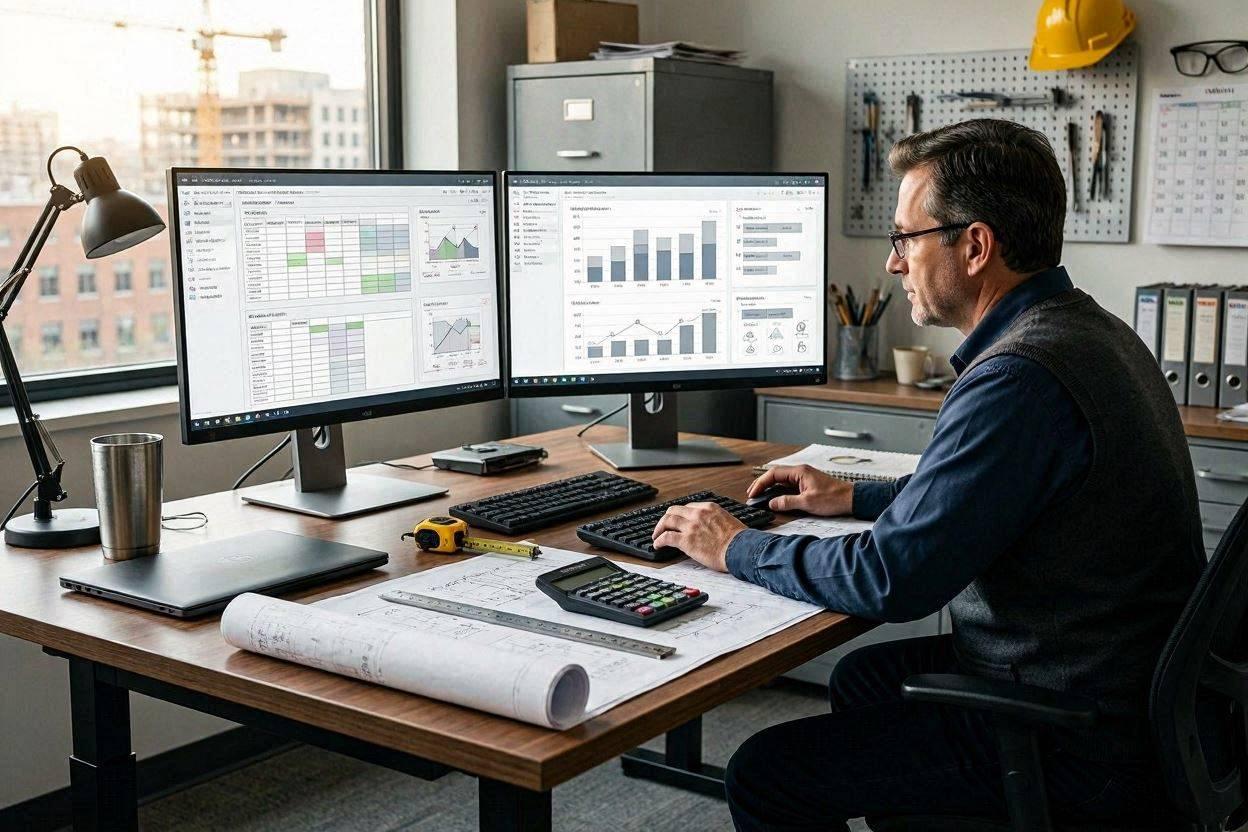
Professional estimators now leverage cloud-based systems that permit real-time collaboration between on-site teams and office staff. These systems track every trade order, material fluctuation, and hard work adjustment, developing an evolving estimate that adapts as the mission progresses. When your data flows seamlessly throughout departments, you gain the visibility needed to become aware of capability problems weeks before they impact your budget. Professional Construction Estimating Services can assist in bridging this gap by combining technical information with superior tools tailor-made for our unique needs.
Breaking Down Project Complexity into Manageable Pieces
Large-scale construction initiatives regularly fail because estimators attempt to address the entirety immediately. The answer lies in modular estimating, in which you divide the work into logical segments that can be priced independently, after which combined for an entire project. This technique reduces cognitive overload and makes it less complicated to spot inconsistencies.
- Trade-unique estimates separate electrical, plumbing, HVAC, and structural work for certain analysis
- Phase-based budgeting allocates fees to foundations, framing, finishes, and placement work with clean checkpoints
- Location-driven pricing accounts for local variations in fabric availability and labor costs
When you adopt this systematic breakdown, you may note that errors end up isolated to unique regions in place of contaminating the entire estimate. If a particular exchange constantly runs over budget, you can look at and correct it without disrupting other venture components. This granularity additionally makes it less complicated to talk with subcontractors, who can evaluate only their portions of the estimate rather than wading through irrelevant facts. A dependable Design and Bids Team guarantees that this modular technique is executed with precision, assisting you keep away from the blind spots that plague less prepared estimating efforts.

Digital Tools That Transform Estimating Accuracy
Construction technology has developed dramatically, and the tools available these days could look like science fiction to estimators from just a decade in the past. From drones that map activity sites in mins to AI platforms that predict fabric requirements, the cutting-edge estimator has an arsenal of solutions that dramatically lessen the margin for error.
- Building Information Modeling (BIM) generates computerized quantity takeoffs directly from 3-D designs
- Mobile estimating apps permit subject teams to update cost records from anywhere at the task website
- Integration structures connect estimating software with accounting and project management structures
The real energy of digital tools comes from their potential to address complicated calculations that would take human beings hours or days to finish manually. Machine learning algorithms can analyze thousands of past tasks to identify patterns in fee overruns, flagging similar risks in your current estimate. Meanwhile, cloud storage guarantees that your latest data is continually available to legal team contributors, no matter their physical location or device.
Building Contingency Buffers That Actually Protect Your Budget
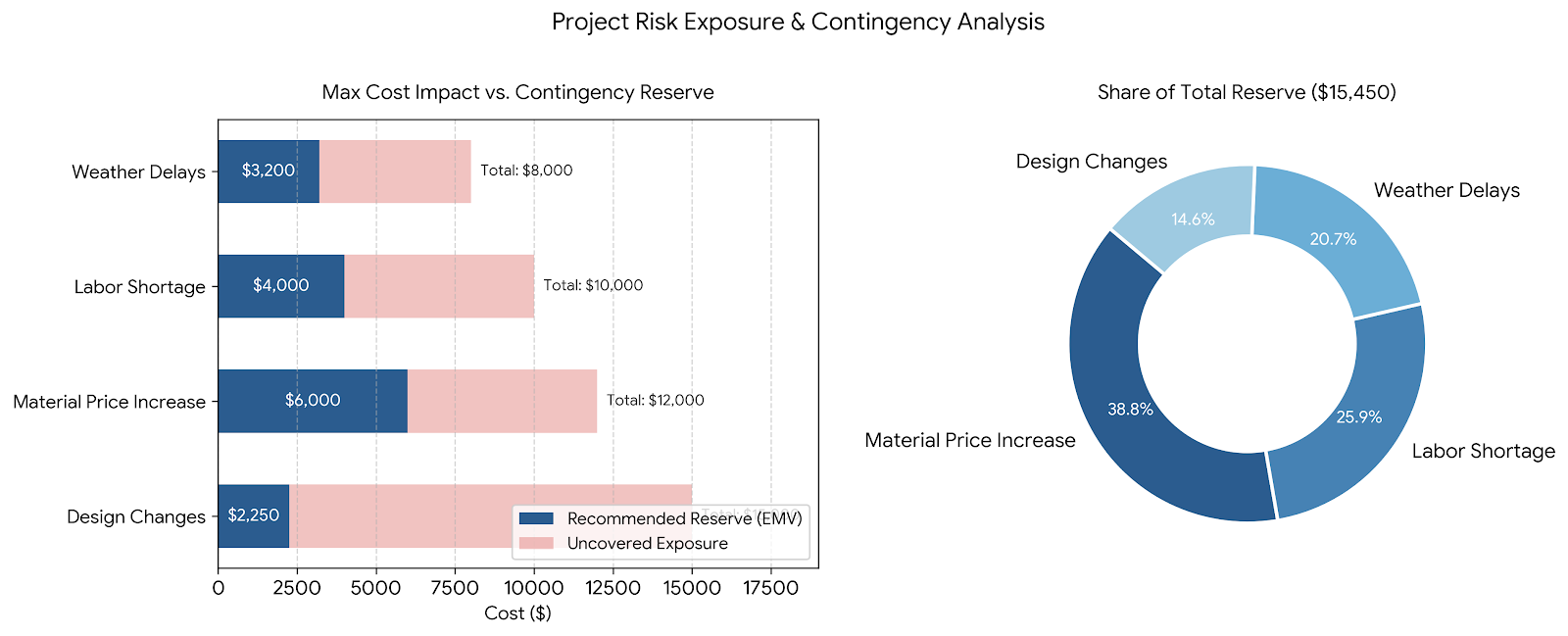
Even the most careful estimates face unexpected challenges—climate delays, supply chain disruptions, and unexpected site situations are truly part of construction truth. Rather than ignoring these opportunities, successful estimators construct smart contingency reserves that shield the assignment without inflating the budget unnecessarily.
- Risk-weighted calculations assign percentages based on probability and potential impact for each variable
- Phased launch protocols only unencumber contingency budget as specific triggers are met throughout construction
- Performance-based adjustments lessen contingency as project milestones are accomplished without incident
Smart contingency planning goes beyond simply adding a flat percentage to your general estimate. By analyzing individual risk factors, you can allocate reserves where they're most wanted while keeping the bottom line as small as possible. Projects with compressed timelines often want larger contingencies due to the decreased margin for restoration. The most sophisticated contingency models contain real-time tracking that adjusts reserve stages as the assignment advances, keeping your financial plan responsive as opposed to rigid.
Collaborating with Subcontractors for Better Estimates
No estimator works in isolation—the quality of your numbers depends heavily on the input you obtain from subcontractors, providers, and other project partners. Building strong relationships with these stakeholders creates a feedback loop that constantly improves estimating accuracy.
- Early engagement includes subcontractors throughout preconstruction to capture their information at planning levels
- Transparent fact-sharing offers partners access to modern cost records so we can validate your assumptions
- Performance critiques tune estimate accuracy towards actual prices, growing responsibility on both aspects
When subcontractors trust your estimating process, they're more likely to provide sensible numbers as opposed to padded bids or unrealistically low costs designed to win work. Regular communication also helps you stay informed about marketplace trends that might affect pricing. These insights from the sector help keep estimate accuracy and build partnerships that transform estimating from an adversarial manner into a shared venture of handing over wonderful creation fee.

Final Thoughts
Mastering concrete estimating strategies is more than a technical exercise; it is a essential business practice that determines whether or not your construction tasks thrive or merely continue to exist. The methods outlined here represent a shift from reactive price management to proactive economic method, wherein every decision is informed through accurate, well-timed facts. As construction turns into an increasing number of complicated, the capacity to supply reliable estimates will distinguish industry leaders from those suffering to stay afloat.
The adventure to estimating excellence is ongoing, requiring non-stop learning and adaptation to new technology, marketplace conditions, and customer expectations. However, the investment in constructing strong estimating processes can pay dividends a long way beyond individual projects. Accurate estimates build trust with clients, support relationships with partners, and create a recognition for reliability that draws better possibilities. In construction, where margins are frequently tight, even small improvements in estimating accuracy can notably affect your bottom line and long-term achievement.
FAQs
1. How regularly must I replace my estimates during a construction venture?
Estimates should be revisited at each major task milestone, which includes design completion, permitting approval, and before every construction segment begins. Monthly evaluations are preferred practice, but weekly updates may be vital for fast-paced tasks or those experiencing extensive market volatility.
2. What's the largest mistake estimators make that ends in price errors?
The most commonplace error is underestimating the complexity of assignment coordination—assuming that man or woman trade fees will automatically suit collectively with out greater time or cost. Other common mistakes consist of ignoring website-specific conditions and failing to account for seasonal hard work availability.
3. Can artificial intelligence completely replace human estimators?
No, AI serves as a effective device but cannot update the judgment, experience, and relationship-building competencies of professional estimators. The best results come from combining machine accuracy with human instinct and industry knowledge.
4. How do I know if my contingency buffer is accurately sized?
Historical information from similar initiatives provides the best benchmark. If you consistently use or exceed your contingency, consider increasing it. Conversely, if you rarely contact it, your estimates may be too conservative, potentially dropping your competitive bids.
5. What ought to I look for whilst hiring an estimating service?
Look for services with industry-unique experience, clear pricing models, and verified technology integration. Check references from past customers, paying specific attention to their track record of estimate accuracy and responsiveness to assignment adjustments.

 English
 Arabic
 French
 Portuguese
 Deutsch
 Turkish
 Dutch
Dutch
 Italiano
 Russian
 Romaian
 Portuguese (Brazil)
 Greek
Greek