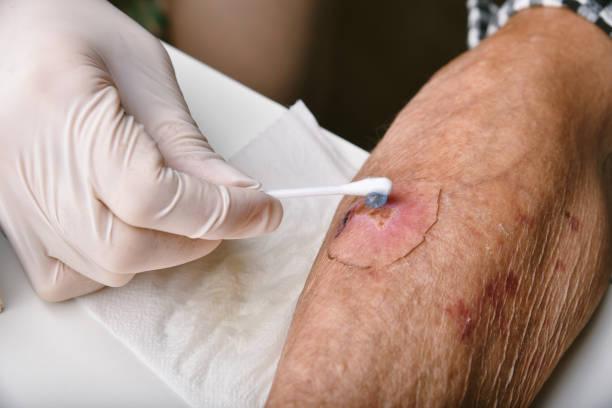
Severe or long-standing wounds often fail to heal naturally because the skin and underlying tissues are too damaged to regenerate on their own. In such cases, advanced surgical and biological techniques are used to restore skin integrity and support healing. Among the most effective methods are skin grafts and tissue substitutes, which play a major role in reconstructive wound care.
In modern clinical practice, Chronic wounds treatment Riyadh often includes skin grafting and tissue replacement techniques for patients with deep, non-healing, or complicated wounds. These approaches help restore damaged skin, reduce infection risk, and improve functional recovery.
- Replaces damaged or lost skin layers
- Promotes faster wound closure
- Reduces risk of infection and complications
- Improves cosmetic and functional outcomes
What Are Skin Grafts?
Skin grafts are surgical procedures where healthy skin is taken from one area of the body and placed over a wound that cannot heal naturally.
Types of Skin Grafts
- Split-thickness grafts: Involve the top layers of skin
- Full-thickness grafts: Include deeper skin layers for stronger repair
- Composite grafts: Combine skin and other tissues for complex wounds
How Skin Grafts Work
- Healthy skin is harvested from a donor site
- It is placed over the wound bed
- New blood supply develops over time
- The graft integrates with surrounding tissue
When Are Skin Grafts Needed?
Skin grafting is used in cases where wounds are too large or deep to close naturally.
- Severe burns
- Large chronic ulcers
- Traumatic injuries
- Non-healing diabetic wounds
- Surgical wound reconstruction
Benefits of Skin Grafting
Skin grafts offer several important advantages in wound management.
Faster Healing
- Helps close large wounds quickly
- Reduces prolonged exposure of tissues
Infection Control
- Covers open wounds
- Reduces bacterial contamination risk
Functional Recovery
- Restores skin barrier function
- Improves mobility in affected areas
What Are Tissue Substitutes?
Tissue substitutes are artificial or biological materials designed to replace or support damaged skin and tissues.
Types of Tissue Substitutes
- Biological substitutes (derived from human or animal tissue)
- Synthetic substitutes (man-made materials)
- Bioengineered skin products
How They Work
- Act as temporary or permanent wound coverage
- Support new cell growth
- Improve wound healing environment
Advantages of Tissue Substitutes
Tissue substitutes are widely used in modern wound care due to their versatility.
Reduced Donor Site Need
- No or minimal skin harvesting required
- Less pain and scarring
Enhanced Healing Environment
- Maintains moisture balance
- Supports tissue regeneration
Suitable for Complex Wounds
- Effective for large or difficult-to-treat wounds
- Useful when donor skin is limited
Skin Grafts vs Tissue Substitutes
Both techniques serve similar purposes but differ in application.
- Skin grafts use patient’s own skin for permanent repair
- Tissue substitutes provide temporary or biological coverage
- Choice depends on wound severity and patient condition
Role in Chronic Wound Management
In long-term wound care, these techniques are often necessary when standard treatments fail.
- Treats non-healing ulcers
- Supports reconstruction after infection or trauma
- Reduces long-term complications
- Improves patient quality of life
In advanced wound care systems, Chronic Wounds Treatment in Riyadh integrates skin grafts and tissue substitutes as part of comprehensive healing strategies for complex cases.
Risks and Considerations
Although highly effective, these procedures require careful medical evaluation.
- Risk of graft rejection
- Possible infection at donor or wound site
- Need for post-procedure care
- Not suitable for all patients
Conclusion
Skin grafts and tissue substitutes are essential advancements in modern wound healing, especially for severe or non-healing wounds. They help restore damaged skin, reduce complications, and support faster recovery. By providing both structural and biological support, these techniques significantly improve outcomes in complex wound management and play a vital role in restoring patient health and function.
Book an Appointment
If you are dealing with a severe or non-healing wound, specialized treatment may be required for proper recovery. At Royal Clinic Saudia, patients receive advanced wound care solutions including skin grafting and tissue substitute therapies tailored to their condition. Booking an appointment ensures expert evaluation and effective treatment planning.
FAQs:
What is the main purpose of skin grafting?
Skin grafting is used to cover large or deep wounds that cannot heal naturally, helping restore skin and prevent infection.
Are skin grafts permanent?
Yes, in most cases skin grafts integrate with the body and become a permanent part of the healed area.
What are tissue substitutes used for?
They are used to temporarily or permanently replace damaged skin and support wound healing when natural skin is insufficient.
Is recovery fast after skin grafting?
Recovery depends on wound size and patient condition, but grafts generally help speed up the overall healing process.


 English
 Arabic
 French
 Spanish
 Portuguese
 Deutsch
 Turkish
 Dutch
Dutch
 Italiano
 Russian
 Portuguese (Brazil)
 Greek
Greek