
Understanding the Science Behind PRP Hair Treatment
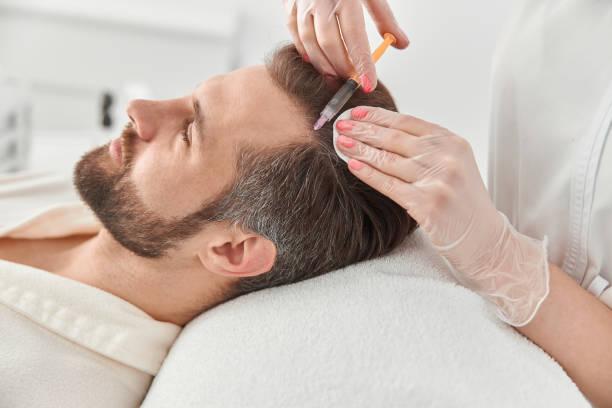
Hair loss is a common concern that affects both men and women, often impacting confidence and overall well-being. Whether caused by genetics, hormonal changes, aging, or lifestyle factors, thinning hair can be challenging to manage. As medical advancements continue to evolve, regenerative treatments have gained popularity for their ability to support natural healing and tissue repair. Among these innovative solutions, Platelet-Rich Plasma (PRP) therapy has emerged as a widely recognized option for promoting healthier hair growth.
Many individuals exploring prp hair treatment in riyadh are interested in understanding the scientific principles behind the procedure. PRP therapy works by harnessing the body's own growth factors to stimulate hair follicles, improve scalp health, and encourage natural hair regeneration. By targeting the biological processes involved in hair growth, PRP offers a non-surgical approach to addressing hair thinning and early-stage hair loss.
What Is PRP Hair Treatment?
PRP stands for Platelet-Rich Plasma, a concentrated component of blood that contains a high number of platelets and growth factors.
Understanding Platelets
Platelets are specialized blood cells that play a crucial role in healing and tissue repair throughout the body.
Why Platelets Are Important
Platelets release growth factors that help:
- Stimulate cellular regeneration
- Promote tissue healing
- Support blood vessel formation
- Encourage repair processes
- Improve overall tissue health
What Makes PRP Different?
PRP contains a higher concentration of platelets than normal blood, making it particularly useful for regenerative treatments such as hair restoration.
The Science of Hair Growth
To understand how PRP works, it is important to first understand the natural hair growth cycle.
The Anagen Phase
This is the active growth stage during which hair follicles produce new hair strands.
The Catagen Phase
A transitional phase where hair growth slows and follicles begin preparing for rest.
The Telogen Phase
The resting stage where older hairs eventually shed to make room for new growth.
How Hair Loss Occurs
Various factors can disrupt the normal hair growth cycle, causing follicles to weaken, shrink, or become inactive over time.
How PRP Is Prepared
The effectiveness of PRP treatment begins with the preparation process.
Blood Collection
A small amount of blood is drawn from the patient.
Centrifugation Process
The blood sample is placed into a centrifuge, which spins rapidly to separate its components.
Isolation of Platelet-Rich Plasma
The concentrated plasma layer containing growth factors is isolated for treatment.
Preparation for Injection
The PRP is prepared and then injected into targeted areas of the scalp experiencing hair thinning.
How PRP Stimulates Hair Follicles
The science behind PRP lies in its ability to influence biological activity within the scalp.
Growth Factor Release
Platelets release proteins and growth factors that help activate cellular repair mechanisms.
Key Functions
- Stimulate follicle activity
- Enhance cellular regeneration
- Improve tissue repair
- Support hair follicle health
Activation of Dormant Follicles
Some hair follicles become inactive but remain present within the scalp.
How PRP Helps
- Encourages follicle stimulation
- Promotes renewed growth activity
- Supports healthier hair production
- Improves follicle performance
The Role of Growth Factors in Hair Restoration
Growth factors are one of the most important components of PRP therapy.
Encouraging Cellular Regeneration
Growth factors signal cells to repair and regenerate damaged tissues.
Supporting Follicle Health
Healthy follicles are more capable of producing thicker and stronger hair strands.
Improving Scalp Conditions
Growth factors help create an environment that supports consistent hair growth.
Promoting Tissue Repair
Regenerative processes strengthen the scalp and surrounding structures.
Because of these regenerative effects, many individuals choose PRP Hair Treatment in Riyadh as a scientifically supported option for improving hair quality and density.
How PRP Improves Blood Supply to Hair Follicles
Blood circulation plays a critical role in maintaining healthy hair growth.
Increased Nutrient Delivery
Improved circulation allows follicles to receive essential nutrients more efficiently.
Enhanced Oxygen Supply
Hair follicles require oxygen to remain active and productive.
Better Follicle Function
A well-nourished follicle is more likely to support healthy hair growth.
Long-Term Scalp Health
Improved vascular support contributes to a healthier scalp environment.
Why PRP Is Effective for Early Hair Loss
PRP tends to produce the best outcomes when active follicles are still present.
Strengthening Existing Follicles
The treatment supports follicles that are becoming weaker but have not yet become inactive.
Reducing Hair Shedding
Improved follicle health may help decrease excessive hair loss.
Supporting Hair Density
Healthier follicles can contribute to fuller-looking hair.
Delaying Hair Loss Progression
PRP may help slow the progression of certain forms of hair thinning.
Scientific Advantages of PRP Hair Treatment
Several scientific factors contribute to the popularity of PRP therapy.
Uses Natural Biological Components
PRP is derived from the patient's own blood, reducing the need for synthetic substances.
Supports Regenerative Processes
The treatment works with the body's natural healing mechanisms.
Minimally Invasive Procedure
PRP involves injections rather than surgical intervention.
Personalized Treatment
Each PRP preparation is uniquely derived from the individual receiving treatment.
What Results Can Patients Expect?
Results develop gradually as biological changes occur within the scalp.
Reduced Hair Shedding
Many patients notice less hair fall after treatment.
Stronger Hair Strands
Hair often becomes healthier and more resilient.
Increased Hair Density
Follicle stimulation can contribute to fuller-looking hair.
Improved Scalp Health
A healthier scalp supports long-term hair growth.
Ongoing Research and Future Potential
Research into regenerative medicine continues to expand.
Advances in Growth Factor Therapy
Scientists continue to study the role of growth factors in tissue regeneration and hair restoration.
Improved Treatment Techniques
Ongoing developments may further enhance the effectiveness of PRP therapy.
Expanding Applications
PRP is being explored for various medical and cosmetic uses beyond hair restoration.
Continued Scientific Interest
The growing body of research contributes to increasing confidence in regenerative treatments.
For individuals seeking a non-surgical solution backed by regenerative science, PRP Hair Treatment in Riyadh offers an innovative approach to supporting natural hair growth and improving overall scalp health.
Conclusion
The science behind PRP hair treatment is rooted in the regenerative power of platelets and growth factors. By delivering these healing components directly to the scalp, PRP helps stimulate hair follicles, improve blood circulation, support cellular regeneration, and encourage healthier hair growth. Its ability to work with the body's natural biological processes has made it a popular option for individuals experiencing hair thinning and early-stage hair loss. As regenerative medicine continues to evolve, PRP remains a promising and scientifically supported approach to hair restoration.
Book Your Appointment
If you are interested in learning more about advanced hair restoration solutions, Royal Clinic Saudia offers professional consultations and personalized PRP treatment plans tailored to your needs. The experienced team at Royal Clinic Saudia can assess your hair concerns and recommend the most suitable approach to help you achieve healthier, fuller-looking hair. Book your appointment today and begin your journey toward stronger hair and renewed confidence.
FAQs:
What makes PRP effective for hair restoration?
PRP contains concentrated growth factors that help stimulate hair follicles, improve scalp health, and support natural hair growth.
How does PRP stimulate hair follicles?
The growth factors released by platelets encourage cellular regeneration, improve circulation, and enhance follicle activity.
Is PRP based on scientific research?
Yes, PRP therapy is supported by ongoing research in regenerative medicine and is widely used in various medical and aesthetic applications.
Why does PRP work best in the early stages of hair loss?
PRP is most effective when active hair follicles are still present and capable of responding to growth factor stimulation.

 English
 Arabic
 French
 Spanish
 Portuguese
 Turkish
 Dutch
Dutch
 Italiano
 Russian
 Romaian
 Portuguese (Brazil)
 Greek
Greek