Why Excessive Sweating Happens and How to Manage It
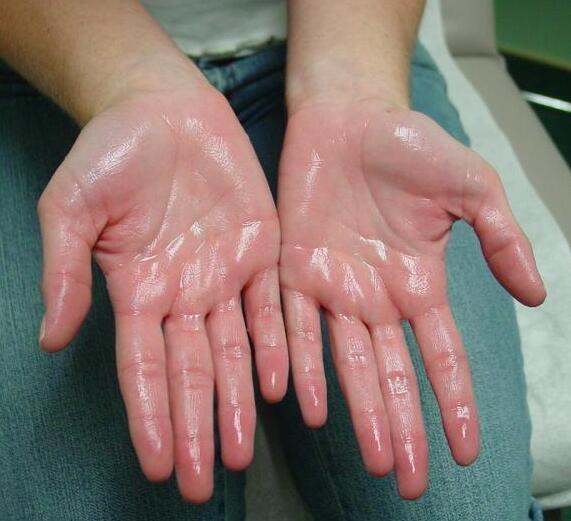
Excessive sweating is a condition that affects many people in daily life, often leading to discomfort, embarrassment, and reduced confidence. While sweating is a normal body function used to regulate temperature, some individuals experience it far beyond what is needed. This condition is often linked to overactive sweat glands and can sometimes indicate an underlying medical issue.
Understanding why it happens and how to manage it can significantly improve quality of life and emotional well-being.
Understanding Excessive Sweating (Hyperhidrosis)
Excessive sweating is medically known as Hyperhidrosis, a condition where the body produces more sweat than required for temperature control. It commonly affects the hands, feet, underarms, and face. In some cases, it occurs without any clear reason, even when the body is not overheated or under stress.
This condition can start in childhood or develop later in life. It may remain constant or worsen over time. Although it is not usually life-threatening, it can significantly impact social interactions, work life, and mental health if left unmanaged.
Common Causes of Excessive Sweating
Excessive sweating can be caused by a variety of factors. Primary hyperhidrosis often occurs without a clear medical reason and is linked to overactive sympathetic nerves that trigger sweat glands. Secondary hyperhidrosis, however, is caused by medical conditions such as thyroid disorders, diabetes, infections, or certain medications.
Hormonal changes, stress, and anxiety can also trigger or worsen sweating episodes. In some individuals, genetics plays a role, meaning the condition may run in families. Identifying the root cause is important for choosing the right treatment approach.
Types and Areas Affected
Hyperhidrosis is generally divided into two main types: primary and secondary. Primary hyperhidrosis usually affects localized areas such as the palms, soles, and underarms. Secondary hyperhidrosis tends to affect larger areas of the body and is often linked to an underlying health condition.
Common affected areas include the underarms, hands, feet, and face. These areas have a high concentration of sweat glands, making them more sensitive to nervous system signals that control sweating activity.
Triggers That Make Sweating Worse
Certain triggers can increase sweating episodes in people with hyperhidrosis. Emotional stress, anxiety, and nervousness are major contributors. Physical activity, heat, spicy foods, caffeine, and alcohol can also stimulate sweat glands and worsen symptoms.
In some cases, tight clothing or synthetic fabrics can trap heat and make sweating more noticeable. Even small changes in environment or mood can lead to sudden and excessive sweating in sensitive individuals.
How Excessive Sweating Is Diagnosed
Doctors usually diagnose hyperhidrosis based on symptoms and medical history. They may ask about when the sweating started, which areas are affected, and whether it occurs during rest or activity. In some cases, tests are done to rule out underlying conditions like thyroid imbalance or infections.
A simple iodine-starch test may be used to identify sweat patterns. Proper diagnosis is important because treatment depends on whether the condition is primary or secondary.
Lifestyle Changes to Control Sweating
Lifestyle adjustments can help reduce sweating naturally. Wearing loose-fitting clothes made of breathable fabrics like cotton allows better airflow and reduces heat buildup. Maintaining good hygiene and showering regularly can also help manage odor and discomfort.
Avoiding known triggers such as spicy foods, caffeine, and stressful situations can reduce episodes. Stress management techniques like meditation, breathing exercises, and yoga can also help calm the nervous system and reduce sweat production.
Medical Treatments and Therapies
For moderate to severe cases, medical treatments may be required. Prescription antiperspirants containing aluminum chloride are often the first step. In more advanced cases, doctors may recommend oral medications that reduce sweat gland activity.
Other options include Botox injections, which temporarily block the nerves responsible for sweating. In severe cases, surgical procedures may be considered, though these are usually last-resort options when other treatments fail.
When to See a Doctor
If excessive sweating interferes with daily activities, causes emotional distress, or occurs without any clear reason, it is important to seek medical advice. Sudden onset of sweating may also indicate an underlying medical condition that needs attention.
Early consultation helps in identifying the root cause and starting the right treatment before the condition worsens or affects mental health and confidence.
Book Online Appointment with Best General Physician via Instacare
Managing excessive sweating becomes easier when guided by a qualified medical professional. You can book an online appointment with a general physician through InstaCare, a healthcare platform that connects patients with verified doctors quickly and conveniently.
Through InstaCare, you can consult doctors from home, discuss your symptoms, and get personalized treatment recommendations. This saves time and ensures timely medical attention without the need to visit a clinic physically.
Conclusion
Excessive sweating is a manageable condition when properly understood and treated. While it may cause discomfort and social anxiety, a combination of lifestyle changes, medical treatments, and professional guidance can significantly reduce symptoms. Early diagnosis and consistent care are key to improving daily comfort and confidence.
By taking the right steps and seeking medical help when needed, individuals can effectively control sweating and lead a more comfortable, stress-free life.
FAQs
1. Is excessive sweating a serious medical condition?
It is usually not dangerous, but it can affect quality of life and may indicate an underlying health issue in some cases.
2. Can stress cause excessive sweating?
Yes, emotional stress and anxiety are common triggers that can increase sweating episodes significantly.
3. Is hyperhidrosis curable?
There is no permanent cure in all cases, but many treatments can effectively control symptoms.
4. Which foods can worsen sweating?
Spicy foods, caffeine, and alcohol are known to trigger or worsen sweating in many people.
5. When should I see a doctor for sweating issues?
You should consult a doctor if sweating is excessive, sudden, or interferes with daily activities.

 English
 Arabic
 French
 Spanish
 Portuguese
 Deutsch
 Dutch
Dutch
 Italiano
 Russian
 Romaian
 Portuguese (Brazil)
 Greek
Greek